Stifle your allergy symptoms

If you’re one of the 80 million Americans who suffer from seasonal allergies, then this spring has brought you watery eyes, sneezing fits and more.
While allergies are often seen as a minor nuisance, they are actually the sixth leading cause of chronic illness in the country.
What causes seasonal allergies?
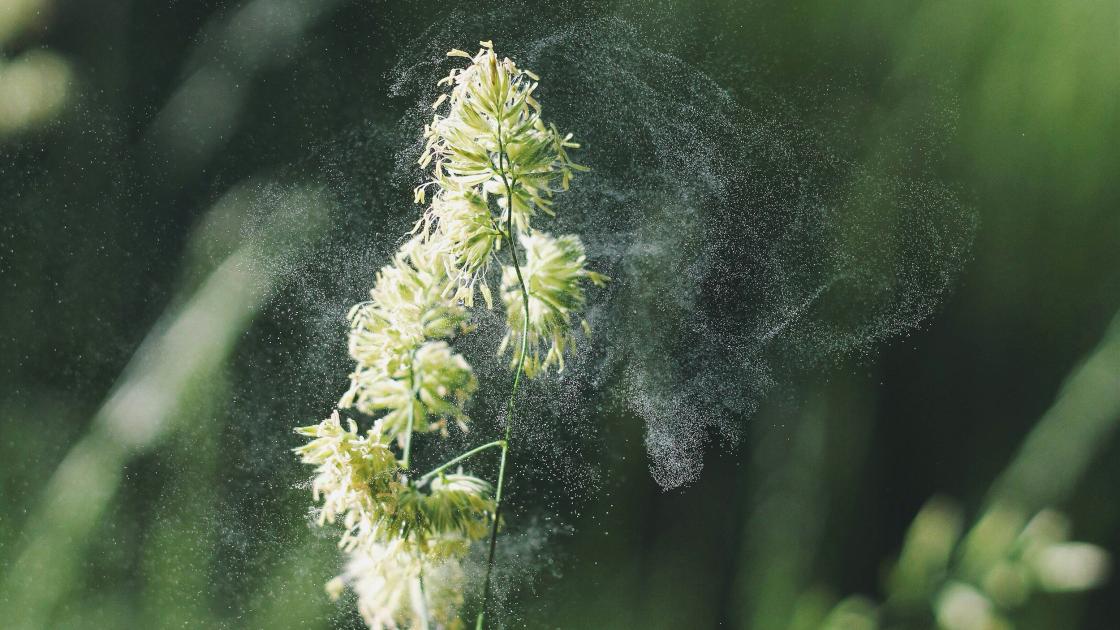
The natural cycle of life gives rise to seasonal allergies, with pollen being the primary culprit behind spring allergies. As nature comes back to life after winter, trees, weeds and grasses release pollen into the air. If you’re sensitive to these tiny particles, your system goes into overdrive when they get into your eyes, nose and mouth.
If a person has allergies, the immune system reacts to the pollen as if it’s an invading enemy. Your body releases histamine, leukotriene and other chemicals that trigger your allergic reactions.
What are the symptoms of seasonal allergies?
Seasonal allergy sufferers know it’s spring by their symptoms, which include:
- Runny nose
- Congestion
- Sneezing
- Coughing
- Post nasal drip
- Itchy eyes and nose
- Watering eyes
- Dark undereye circles
Risk factors for seasonal allergies
Genetics plays a role in your risk of developing allergies. If you have a blood relative who suffers from them, there is a greater chance you will, too. Additionally, if you have asthma or another allergic condition, you’re more prone to seasonal allergies. Children are more likely to suffer seasonal allergies than adults.
Prevention tips
If you’re an allergy sufferer, there is no magic pill that will make the problem go away, but there are steps you can take to reduce your exposure to the pollen that triggers spring allergies.
- Remove clothes that you’ve worn after being outside. Launder the clothes and take a shower to remove pollen from your body.
- Don’t wear shoes in the house. They track pollen throughout your home.
- Tidiness, including washing your bedding weekly, vacuuming and dusting, is always helpful.
- Don’t air dry laundry outside. This invites pollen to attach to clean clothing and linens.
- Avoid gardening chores and lawn mowing as they stir up pollen in the air.
- Wear a face mask if you do outdoor chores.
- Stay inside on dry, windy days as it stirs up pollen.
- Use air conditioning in your home and car.
- Make sure your air conditioner has a high-efficiency filter and change it often.
- Consider a portable air purifier with a HEPA filter.
Treatment of seasonal allergies
Usually, you can manage your seasonal allergy symptoms with over-the-counter medicines including:
- Antihistamines - These drugs block your body’s histamine response which is the root cause of your symptoms. There are many different types of antihistamine medications and your doctor can work with you to find the optimal medicine. Nasal antihistamines can be purchased OTC.
- Nasal steroid sprays - These are different than the decongestant nasal sprays you might use when you have a cold. Nasal steroid sprays (like Flonase) work in conjunction with antihistamines and you can use them throughout allergy season.
- Decongestants - These are similar to the medicine you use when you have a cold, but because they have a higher risk of side effects, they should only be used short-term and with severe symptoms.
- Allergy eye drops are extremely helpful this time of year for people with comorbid allergic conjunctivitis.
- Vitamin C - Some studies show that Vitamin C can help alleviate allergy symptoms.
- Nasal washing - A neti pot is a natural way to cleanse your nasal cavity, reduce swelling and ease allergy symptoms.
With more severe allergic symptoms that don’t respond to over-the-counter methods, you can try:
- Prescription allergy medications like montelukast, a leukotriene blocker approved for patients age 6 months and up
- Immunotherapy, a series of shots or under-the-tongue tablets that are designed to build up your tolerance to allergen triggers. It can take years to work, but can be very effective.
Allergies vs. cold vs. COVID
Allergy symptoms can mirror those of a cold or COVID-19, so determining the root cause of your symptoms can sometimes be challenging.
Seasonal allergies tend to improve or worsen depending on the environment. Allergies will often be accompanied by fatigue, coughing, sneezing, and a runny or stuffy nose. Sometimes you will also have a fever and headaches. It’s very rare to be short of breath or have difficulty breathing or lose your sense of taste or smell. You will never have a sore throat, aches and pains or diarrhea with seasonal allergies.
Stop suffering from allergies today
If spring allergies are interfering with your daily life, get relief today. Getting tested by an allergist can help to identify your triggers and be more proactive during ALL the seasons of your life. Our doctors can help determine the right course of treatment for you.