
Cold weather healthy habits
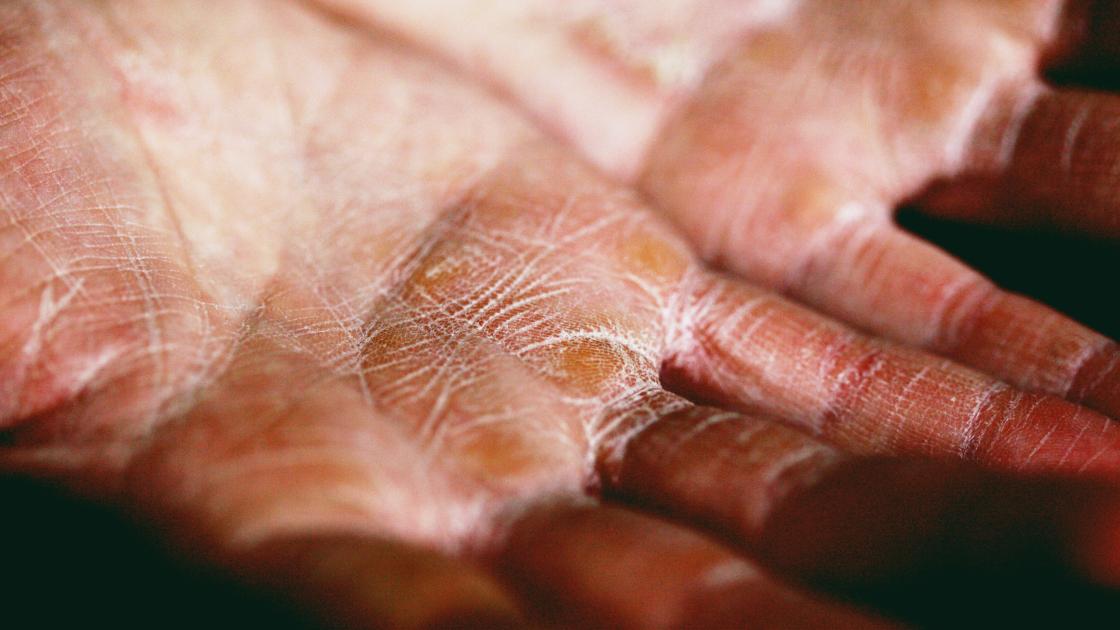
Cold weather can take a toll on your body, from dry, cracked skin to irritated airways and a greater risk of seasonal illnesses. Lower humidity and more time spent indoors make it especially important to take care of your skin, respiratory health and overall wellness. Simple habits like moisturizing, protecting your skin from the cold, staying hydrated and keeping current with vaccines can make all the difference.
Keep your skin moisturized and healthy
As your largest organ, your skin acts as a vital barrier. Winter’s cold, dry air strips away moisture, which can lead to irritation.
“Protecting your hands, feet and face from the cold is essential to preventing dry skin and keeping it from getting worse,” said Dr. Amit Sapra, with SIU Family Medicine in Jacksonville. “Since we can’t stay indoors all winter, it’s a good idea to keep as much skin covered as possible when you’re outside, and remember to use lip balm to shield your lips from the cold.”
To keep skin healthy throughout the winter:
- Apply moisturizer right after washing to lock in your skin’s natural moisture.
- Choose an ointment or cream, which tends to work better than lotions.
- Opt for warm water instead of hot water when bathing or showering to prevent dry skin from getting worse.
- Gently pat your skin dry with a towel rather than rubbing, which helps prevent dryness.
- Stick to mild, fragrance-free products. Avoid harsh options like antibacterial or scented soaps, which can irritate dry, sensitive skin.
Breathe easy this holiday season
When the temperature drops, so do humidity levels both outdoors and inside your house. Turning up the furnace or lighting the fireplace creates dry heat and takes moisture out of the air.
Staying hydrated throughout the day helps keep your mucus thin and protective. Saline nasal spray or rinses can also help keep your nasal passages moist.
Dry air not only roughens and irritates skin but can affect breathing. It dries the lining of the nose, making it more prone to cracking, which is one reason nosebleeds are more common in winter. And while dry air doesn’t directly cause sinus infections, it can increase the risk. When the nose becomes too dry, mucus thickens and can’t trap and remove germs as effectively, giving viruses and bacteria a chance to grow.
That’s why winter calls for extra steps to stay healthy.
“Getting enough sleep is important for keeping your skin and your breathing healthy, because your body heals while it rests,” said Dr. Sapra. “In the winter, it’s a good idea to use a filtered, cool-mist humidifier in your bedroom. It adds moisture to the air while you sleep, which helps prevent dry skin and a dry nose and throat before they even start.”
Get your annual vaccines
Holiday gatherings bring people together and that can increase the spread of germs. While these are great opportunities to spend time with the people you care about, they also expose you to viruses like influenza, COVID-19 and other respiratory illnesses.
“One of the best things you can do this winter to protect yourself and those you care about is getting your flu shot,” said Dr. Sapra. “It trains your body to fight the virus and lowers the chances of severe illness, and helps protect people around you who may be more vulnerable to infections.”
Taking proactive steps to protect yourself during the winter months goes a long way to ensuring you won’t miss out on making memories. It’s time for your annual check-up or flu shot. Schedule an appointment with your primary care provider at SIU Medicine today. With their help, you can stay healthy and comfortable all season long.