When sleep apnea goes untreated: What’s at risk?
Sleep apnea affects millions of people across the U.S., and many rely on CPAP machines for treatment. But what happens when sleep apnea is left untreated? Understanding the risks can help you—or someone you care about—take the next step toward better health.
What is sleep apnea?
Sleep apnea causes breathing to stop and start repeatedly during sleep. It often goes unnoticed, but over time, it can have a significant impact on your health.
You might notice some warning signs. Loud, frequent snoring or suddenly waking up gasping for air are common red flags. If this sounds familiar, it’s time to talk to a doctor.
There are two main types of sleep apnea:
- Obstructive sleep apnea (OSA): The most common form. This happens when your airway becomes blocked while you sleep—sometimes more than 30 times an hour.
- Central sleep apnea: Less common. This occurs when the brain fails to send the correct signals to the muscles that control breathing.
Could it be sleep apnea?
Many people don’t realize they have sleep apnea. Often, a partner notices the symptoms first, but even if you sleep alone, you can still look for signs.
Ask yourself:
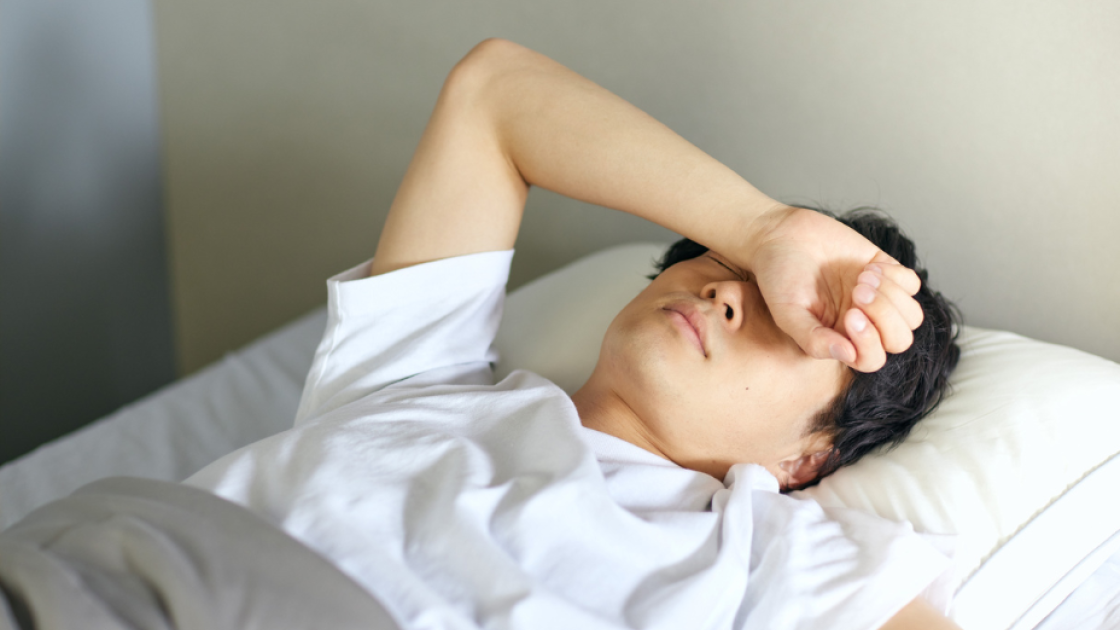
- Do I wake up feeling tired, even after a full night’s sleep?
- Have I ever woken up gasping for air?
- Do I often wake up with a dry mouth or headache?
- Am I very tired during the day or do I have trouble focusing?
- Do I have a family history of sleep apnea, high blood pressure or diabetes?
If you answered “yes” to any of these questions, it might be time to book an appointment with your doctor.
Diagnosis often starts with a sleep study, either at a sleep center or at home with a portable monitor. Sometimes, keeping a sleep journal can help your care team understand your symptoms.
Why treatment matters
Sleep apnea is more than just disrupted sleep—it affects the heart, brain and overall well-being. If you’re experiencing symptoms, it’s important to get checked early. Treatment can make a life-changing difference.
Over time, sleep apnea can increase your risk for serious health problems, including:
- Heart disease: Interrupted breathing strains the heart and can lead to heart attacks or irregular rhythms.
- Stroke: When oxygen flow to the brain is repeatedly disrupted, the risk of stroke rises.
- Type 2 diabetes: Poor sleep affects how your body uses insulin, making it harder to manage blood sugar.
- Cognitive decline: Problems with concentration, memory or mood can worsen over time and may lead to dementia.
- Accidents: Daytime sleepiness can increase the risk of car crashes and other accidents.
If you question whether or not you are suffering from sleep apnea, do yourself and others a favor and call a provider today at 217-545-8000.