
First measles case of 2025 confirmed in Illinois: What you need to know
Illinois has reported its first confirmed case of measles this year-an unvaccinated adult in Marion. The Illinois Department of Public Health (IDPH) is investigating the case and identifying potential exposure sites across the community, including restaurants, gyms, grocery stores and laundromats.
This development comes amid a national and global rise in measles cases. As of mid-April, over 800 cases have been confirmed across 25 U.S. states.
What is measles?
Measles is a highly contagious virus that spreads through the air when an infected person coughs or sneezes. The virus can linger in the air for up to two hours. About 90% of non-immune people exposed to measles will become infected.
Early symptoms include fever, cough, runny nose and red, watery eyes. These may be followed by a distinctive rash that spreads across the body. Complications can be serious, including pneumonia, brain swelling and death.
Why vaccination matters
Measles was declared eliminated in the United States in 2000 due to widespread vaccination. However, declining vaccination rates have allowed the virus to resurface in recent years.
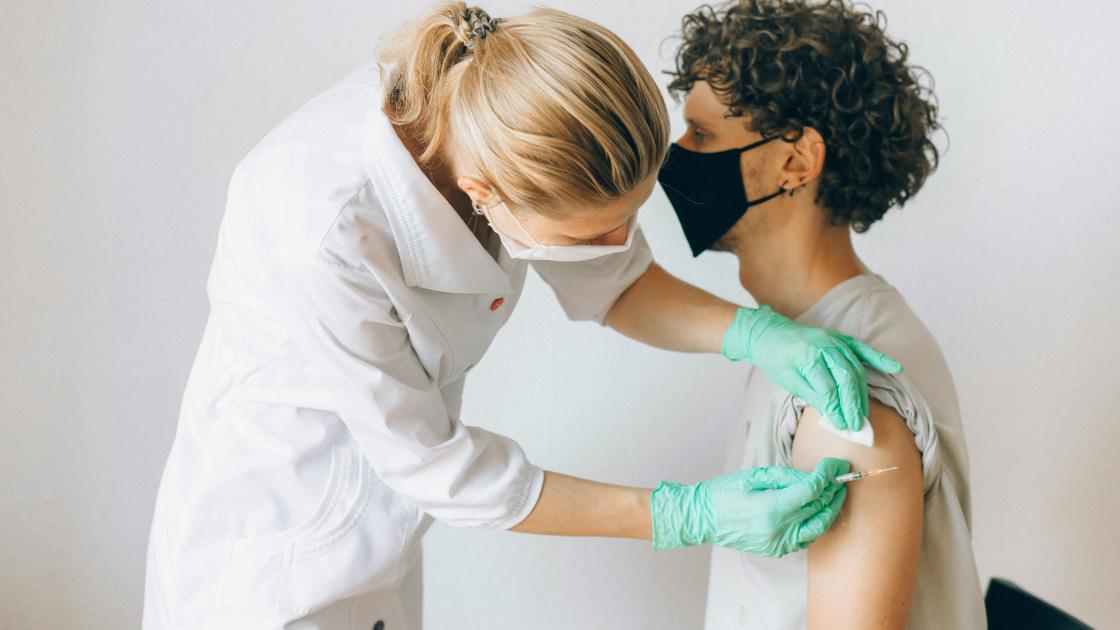
The MMR vaccine (measles, mumps, rubella) is safe, effective, and the best protection against the disease. Two doses are recommended for full protection-typically given at ages 12-15 months and 4-6 years. Adults born after 1957 should ensure they've had at least one documented dose of the vaccine or a blood test confirming immunity.
What patients and community members can do
- Check your vaccination records. If you're unsure whether you or your child is protected, talk to your health care provider.
- If you're traveling internationally, be aware that many countries are experiencing measles outbreaks. Vaccination is especially important before travel.
- If you have symptoms of measles and believe you may have been exposed, call your health care provider before arriving to avoid putting others at risk.
What SIU Medicine is doing
SIU Medicine is implementing clinic protocols to quickly identify and respond to suspected measles cases. We are also reviewing vaccination records of our health care personnel to ensure immunity.
Our clinicians are here to talk with you about measles, vaccination and steps you can take to protect yourself and your family. If you have questions about your vaccine history or symptoms, don't hesitate to reach out.
For more information on measles and vaccine recommendations, visit: