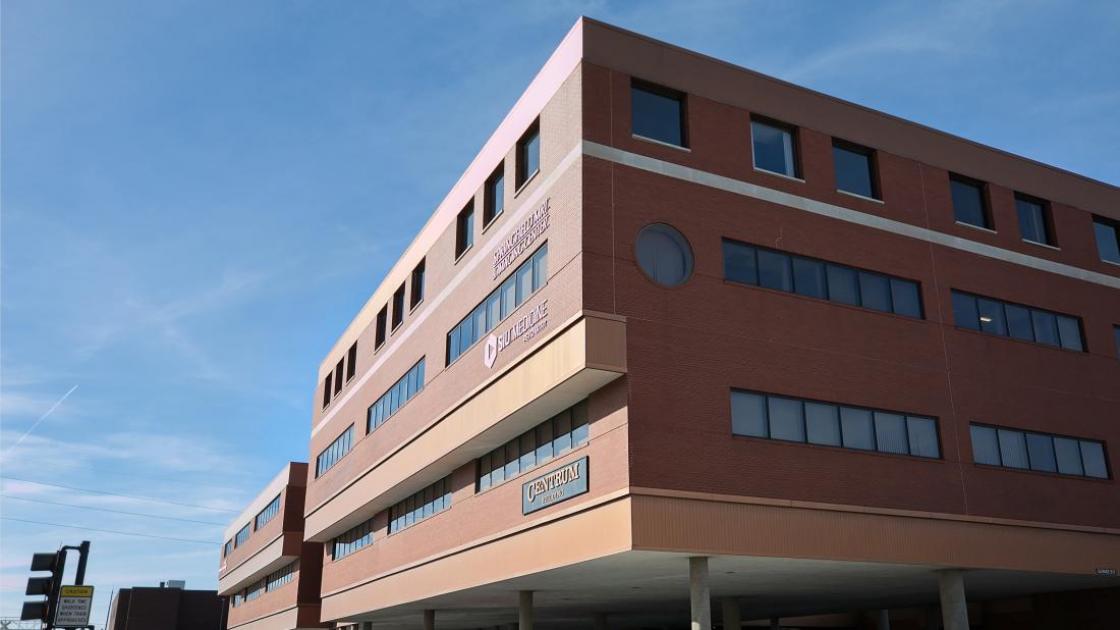
Parkinson's disease
Overview
Parkinson’s disease is a progressive disorder that is caused by degeneration of nerve cells in the part of the brain called the substantia nigra, which controls movement. These nerve cells die or become impaired, losing the ability to produce an important chemical called dopamine. Studies have shown that symptoms of Parkinson's develop in patients with an 80 percent or greater loss of dopamine-producing cells in the substantia nigra.
The cause of Parkinson's essentially remains unknown. However, theories involving oxidative damage, environmental toxins, genetic factors, and accelerated aging have been discussed as potential causes for the disease. In 2005, researchers discovered a single mutation in a Parkinson’s disease gene (first identified in 1997), which is believed responsible for 5 percent of inherited cases. Parkinson's Disease Center
According to the Parkinson’s Foundation, an estimated 60,000 Americans are diagnosed with Parkinson’s disease each year.
Parkinson's Disease Center
The Parkinson's Disease and Movement Disorders Clinic at SIU Medicine provides comprehensive medical, physical and emotional support for individuals with Parkinson disease, Huntington disease, Tourette syndrome, dystonia, blepharospasm, essential tremor, ataxia and other movement disorders.
This innovative clinic offers complete care for the movement disorder patient. The initial screening by neurologists provides complete diagnostic information and treatment plans. Based on this evaluation, the patient may be referred to other specialists to meet each individual's short-term and long-term needs.
While attending the clinic, a continuing relationship with the patient's primary physician is maintained. Patients are provided educational materials and information regarding outside community resources.
Common symptoms
Parkinson’s disease is a progressive nervous system disorder that mainly impacts movement. Parkinson’s disease can also affect sleep, memory and mood. Its symptoms can be different for everyone. Early signs might even be mild. They may even go unnoticed for years. The symptoms of Parkinson’s disease often start on one side of the body and progress to include the other side.
Common symptoms include:
- Tremors
- Rigid or tight muscles
- Slowed movement
- Impaired balance and posture
- Speech changes
- Writing changes
- Loss of automatic movements like smiling and blinking
- Mood changes
- Constipation
- Sleep problems
Specialty care
Treatment options
Medications can help control the symptoms of Parkinson's. Psychiatric treatment may also help alleviate the emotional distress that frequently accompanies the disease.
Movement disorders affect patients and their families in many ways. To meet the needs of each patient, an individual care plan is developed, and may include:
- Neurologists, specializing in movement disorders, conduct an initial neurological examination as well as provide ongoing treatment
- Botulinum treatment for dystonia including blepharospasm
- Genetic counseling and comprehensive evaluation of "at risk" individuals
- Physical therapists provide rehabilitative treatment for development of ambulatory skills through exercise and gait training
- Occupational therapists aid in adaptation to self-care activities, work and leisure skills
- Clinical dieticians help develop diets to meet your specific nutritional needs
- Health care psychologists address emotional and intellectual adaptations associated with the disability
- Speech therapists provide treatment aids and family education for speech difficulties
- Social workers help with personal, social and emotional problems surrounding the disorder
- A clinical data bank and register of available resources provide complete information
- Deep brain stimulation procedure


 Offers virtual care