
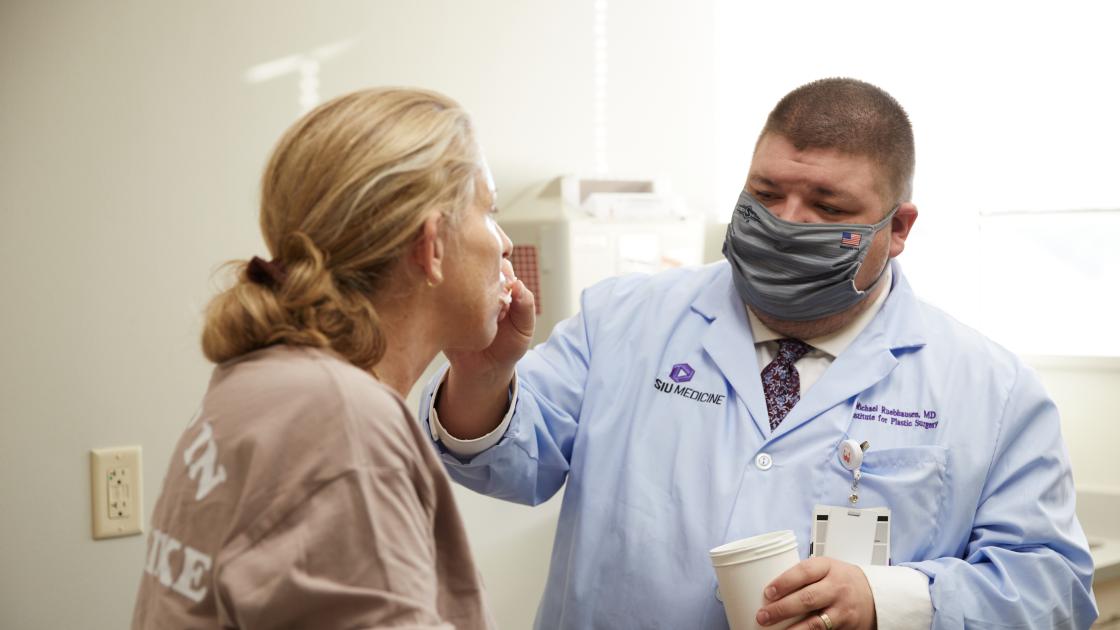
What to expect at your cosmetic surgery consultation
A consultation is an opportunity to meet your plastic surgeon, ask questions and determine what treatments and procedures are right for you. Expect your consultation to last 1-2 hours. Here’s what else you can expect at your visit to the Institute for Plastic Surgery:
1. A review of your complete medical history.
During your initial consultation, your medical team will go over any medical problems that run in your immediate family and a list of your current medications, including vitamins, supplements, and any recreational drugs. It’s important your medical team has an accurate picture to ensure your safety.
2. A chance to ask questions.
Your consultation is the perfect opportunity to address all of your concerns related to patient safety, how to prepare, possible risks, downtime and aftercare.
It’s also an opportunity for you to learn about your surgeon’s qualifications. Start by asking your potential doctor if he/she is board certified by the American Board of Plastic Surgery. Board-certified plastic surgeons have completed extensive formal surgical training and passed rigorous, comprehensive oral and written exams.
3. A discussion of your goals and options.
Your potential surgeon will talk with you about what you want to change about your face or body, and why you want to change it. Your doctor will also ask about your goals and expectations.
Keeping your goals in mind, your potential surgeon will share what treatments or procedures could help you achieve your desired appearance, what kind of results you can expect and what’s involved in the treatment or procedure. Your medical team will also discuss costs and financing as well as risks and possible complications.
4. An examination of your areas of concern.
If your areas of concern involve your breasts or body, your surgeon will ask you to change into a patient gown while he or she leaves the room. Your doctor will return to the office to examine the areas when you are ready. You may request a nurse or medical office assistant to accompany the doctor.
Your surgeon may take some measurements at this time. If appropriate, the surgeon may take “before” photos during this consultation with your consent.
5. Determine the next steps.
Ready to schedule your procedure? Great! The plastic surgery team may ask to schedule a pre-surgery appointment and will work with you to schedule a surgery date. If you’re not ready to schedule, that’s okay, too. Cosmetic surgery is an investment, and you should consider all of your options, the costs, benefits and risks, and your recovery.