
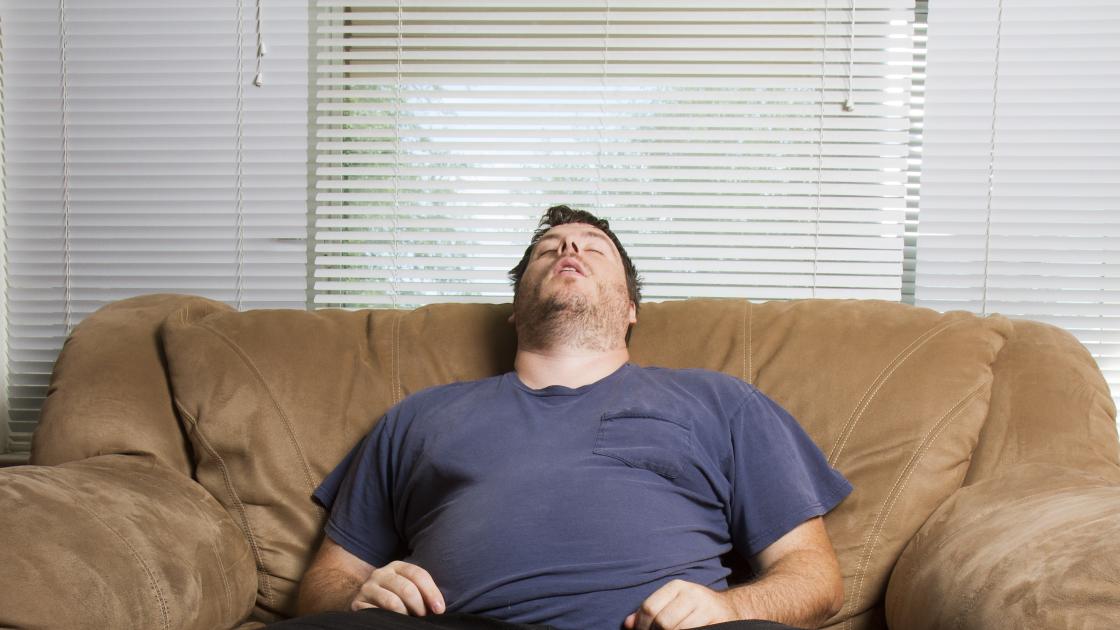
Wake up to this heart attack risk

Everyone knows how frustrating a bad night’s sleep is, but chronic sleeplessness doesn’t just make you tired, it can kill you. In a study that chronicled older adults for five years, those with the most irregular sleep schedules were nearly twice as likely to develop heart disease as those with stable sleep patterns.
In 2022 the American Heart Association (AHA) acknowledged the strong link between sleep and heart health, adding sleep to their Life’s Essential Eight for heart health. The AHA recommends people get 7-9 hours of sleep per night to prevent heart disease. However, 33% of adults report not getting enough sleep regularly, and roughly 50 to 70 million Americans have ongoing sleep disorders.
Why sleep matters
Sleep plays a role in heart health in several ways. Physically, when you don’t get enough sleep your cortisol levels increase. Cortisol is the stress hormone and when it’s high your blood pressure and heart rate are also elevated, which causes your heart to work harder. Sleep disorders are known to increase inflammation, and higher levels of inflammation are linked to heart disorders.
Reduced sleep also increases the risk of mood disorders like anxiety and depression, which both impact the heart. Additionally, when we’re operating on low sleep the hormones that regulate hunger are affected, which can lead to overeating and poor food choices. If this becomes chronic, weight can increase, which impacts heart health.
Sleep disorders and heart disease
Chronic insomnia is a sleep disorder defined as at least three nights of sleeplessness a week for three months or longer. It affects approximately 10% of the population. This long-term insomnia is linked to a 45% increased risk for heart disease and a 54% higher risk of a stroke within four years.
Narcolepsy is a neurological issue that disrupts the sleep cycle, causing drowsiness at inappropriate times. It affects about 200,000 people in the U.S. and is known to increase the risk of motor vehicle accidents and stroke.
Sleep apnea and heart disease
One of the most concerning sleep issues for cardiologists is sleep apnea. This condition occurs when breathing stops and restarts throughout the night, sometimes as much as 30 times an hour. When you stop breathing your oxygen levels drop, signaling your body to make epinephrine, a stress hormone. Over time, this high adrenaline state leads to high blood pressure, damage to the blood vessels and an increase in damaging LDL cholesterol. People with untreated sleep apnea have a higher risk of stroke, high blood pressure, heart disease and are twice as likely to have a heart attack and atrial fibrillation
About 30 million people suffer from sleep apnea, and many more are undiagnosed. Sleep apnea is most common in overweight men over the age of 40, but it can affect anyone. Loud snoring is the most obvious sign of the condition. With newer, less cumbersome treatments available, those troubled by sleep apnea have various options for improved rest.
SIU Medicine providers can help you with sleep and cardiology issues. Get help today.