
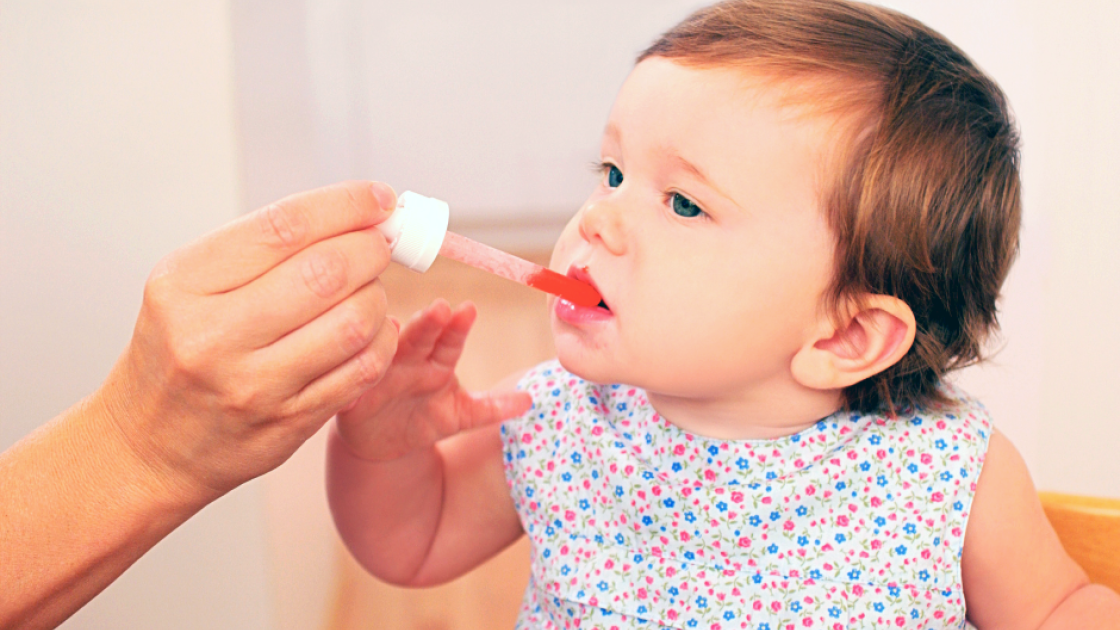
Toddler vs infant medications: what every parent needs to know
When your little one is sick, even the simplest things can feel like a big deal, especially figuring out how much medicine to give. You’re tired. They’re fussy. You stare at the dosage instructions like it’s a calculus math problem. Whether you’re holding a feverish baby or trying to catch a squirmy toddler, the questions pile up: “Is this the right amount? Is it safe? And how on earth do I get them to take it without a total meltdown?”
You’re not alone. This is one of the most common concerns for parents. The good news is that understanding the key differences between infant (birth to 12 months) and toddler (1 to 3 years) medications can help you feel more confident and keep your child safe.
Why are infant and toddler medications different?
A quick trip down the children’s medicine aisle can feel overwhelming. You’ll see products labeled for infants and toddlers, often with similar ingredients but in different forms and prices.
While infant and toddler medications frequently contain the same active ingredients — like acetaminophen — the main differences come down to how they’re made and administered.
- Infant medications typically come in smaller bottles with built-in safety features like dosing syringes and spill-resistant packaging.
- Toddler medications often come in syrups with dosing cups or as chewable tablets in standard bottles.
The extra safety features in infant medicines help explain the higher cost, even though the active ingredients are the same.
Understanding these differences matters. The same medication may look and feel different depending on the age it’s meant for. Always check with your pediatrician to make sure you’re giving the right medicine and dose for your child.
What’s different about children’s medication?
- Dosage: Weight-based matters
Doctors usually base infant doses on weight, not just age. A 10–pound 3-month-old needs a different amount than a 25-pound toddler. Accurate dosing is key to safety and effectiveness. - Form: How it’s given
Infants usually receive liquids or drops that are easier to swallow and measure. Toddlers may be ready for chewable tablets or flavored syrups, which can make medicine time a little easier and less stressful. - Safety: What’s okay and what’s not
Some medicines, especially cold and cough syrups, aren’t safe for babies under 6 months — and some shouldn’t be given to toddlers under age 4. Always talk with your pediatrician before giving new medications to a child. - Ingredients: What’s inside matters
Infant medications typically do not include the dyes, alcohol and sweeteners found in some toddler formulations. Babies can be more sensitive to certain ingredients and may have a higher risk of allergic reactions.
Tips for giving medicine to infants and toddlers
For infants (0–12 months)
- Use a syringe or dropper. Don’t mix medicine into a full bottle of milk or formula since they may not finish it.
- Aim for the cheek pocket to help avoid gagging and make swallowing easier.
- Go slowly, giving small amounts at a time and letting your baby swallow in between.
- Swaddle if needed to prevent flailing arms and legs.
- Offer a pacifier afterward to soothe and distract your baby.
For toddlers (1–3 years):
- Let them make small choices, such as which spoon to use or where to sit.
- Be honest and positive. “This medicine helps your ear feel better.”
- Mix with a small amount of food (like applesauce or yogurt) if approved by your pediatrician — make sure they eat the whole serving.
- Celebrate cooperation with a sticker, a song, or a high-five.
Stay calm if they spit it out. Take a break, then try again gently.
When to act and how to stay confident
Call your pediatrician right away if your child develops a rash, becomes unusually sleepy, vomits or gets worse after taking the medicine. Children’s medications are not one-size-fits-all, and the right dose depends on age, weight and health.
When in doubt, reach out. The team at SIU Medicine is here to support you with expert guidance, so you can feel confident and calm when caring for your child.