The pros and cons of hand sanitizer

This spring, hand sanitizer became one of the most sought-after products in the world. The spread of COVID-19 prompted the spike as consumers and health care workers alike looked for the germ-killing gel. But is it deserving of all the hype? An SIU School of Medicine microbiome expert weighs in with some pros and cons.
Pros
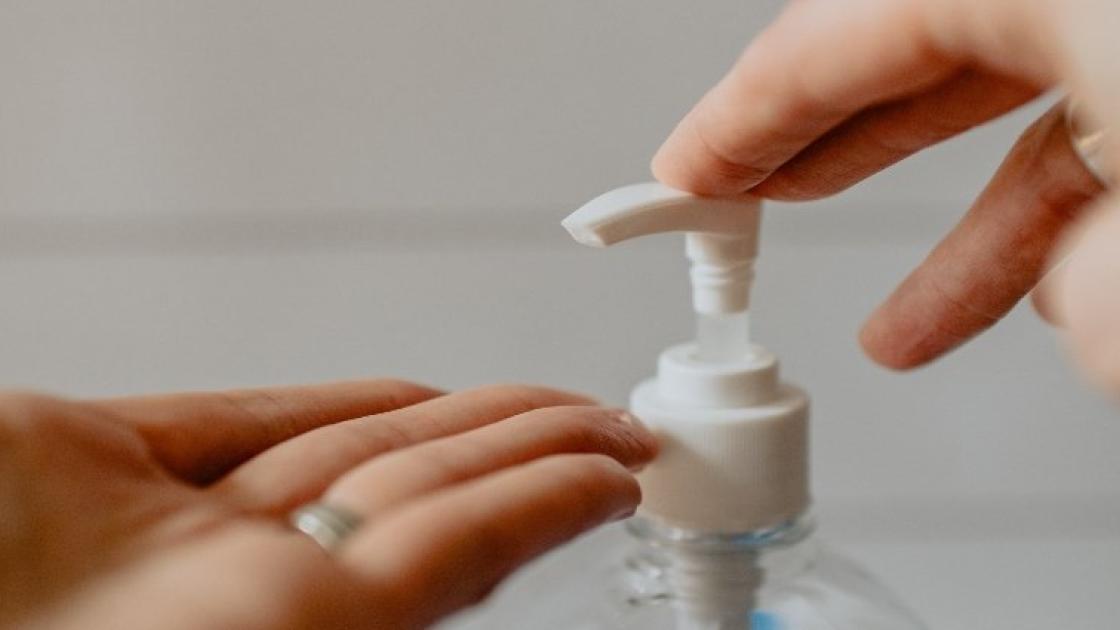
Hand sanitizer is convenient. It can be used anywhere, which makes it more likely to actually get used.
It’s better than not washing your hands at all.
Hand sanitizer can stop indirect transmission. In a hospital setting, it helps prevent the spread of bacteria and viruses among patients from hospital personnel. For example, a nurse is sneezed upon by her Patient X. She leaves Patient X’s room and uses hand sanitizer. The nurse then touches Patient Y. The chances of Patient Y getting Patient X’s virus has been reduced. This is also the same for washing hands with soap and water.
Cons
Most viruses are spread via direct contact with contagious persons. Hand sanitizers do nothing about the spread of contact droplets in a community setting. So if someone sneezes or coughs directly on you or near you ─ like what happened to our unfortunate nurse ─ no amount of hand sanitizer is going to protect you from getting sick.
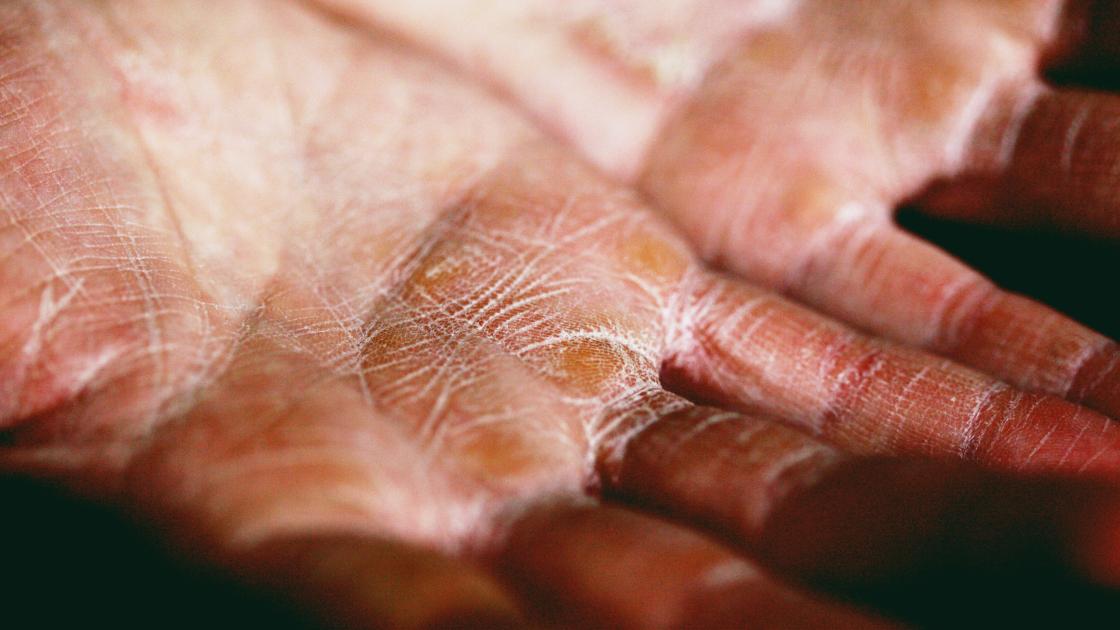
Hand sanitizers have a high amount of alcohol, typically more than 60%. Alcohol dries the skin. Damaging the outer layers of the skin leads to cracks, sores, etc. Anti-microbial products, such as alcohol, also kill ALL microbes (both protective and harmful). So now the skin barrier is drier, more susceptible to damage and its usual microbe-fighting defenses have been killed.
The most effective way to remove harmful microbes is by friction that sloughs off microbes and dead skin cells. Washing your hands with soap and water for 30 seconds is more effective in reducing transmission of viruses and bacteria. People don’t usually rub their hands together for 30 seconds when using hand sanitizer.
The bottom line
Our body has a number of natural defenses against harmful microbes. The skin is our largest barrier to infection. If you keep your skin healthy and clean, practice good hand washing and stay away from symptomatic people, the use of anti-microbial products is not necessary.
Use hand sanitizer only when you don’t have access to soap and water. And to help with our current crisis, wear a mask.