Hypertension in pregnancy: The key facts you need to know

Pregnancy can be one of the best times in your life. If you’re pregnant, you might be filled with wonder and excitement about the little one growing inside you. You may also fret over your own and your baby’s health. This can especially be the case if you’ve learned you have high blood pressure during your pregnancy. Fortunately for you, the doctors at SIU Medicine are highly trained in helping expectant moms manage this issue during pregnancy.
What types of hypertension occur during pregnancy?
Hypertension during pregnancy is a common women's health issue. Some women have chronic hypertension before they become pregnant. With this problem, a woman has high blood pressure before conception or before her 20th week of pregnancy, according to the Centers for Disease Control and Prevention.
With preeclampsia, women don’t have high blood pressure until they get pregnant. Being younger than the age of 16 or older than the age of 35 during your first pregnancy puts you at the highest risk for it.
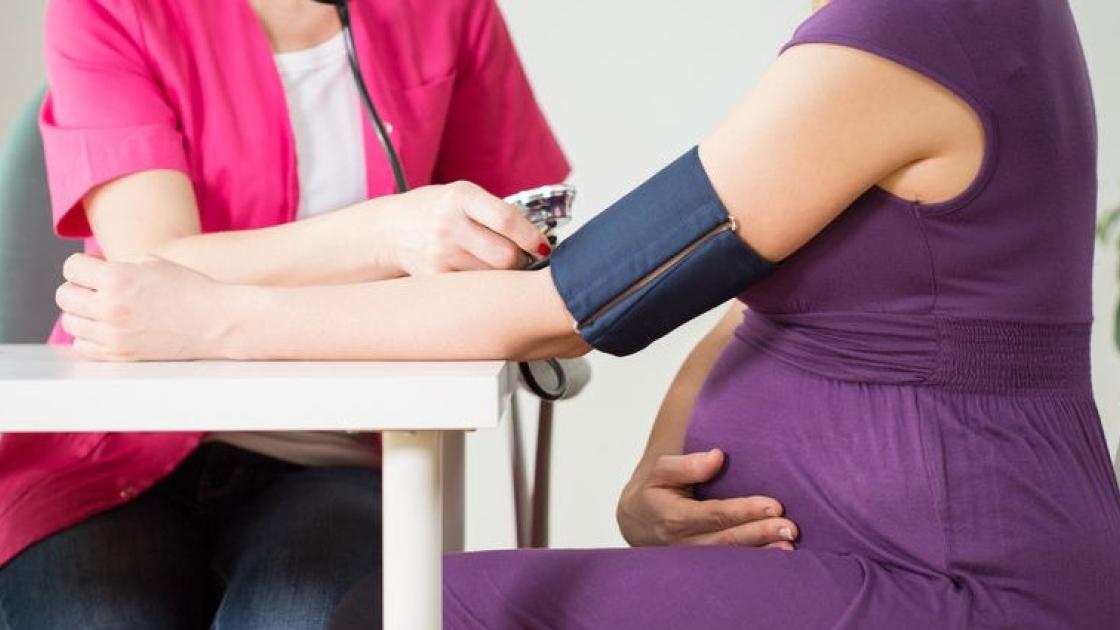
To test for preeclampsia, doctors check your blood pressure levels. They also look for protein in your urine. The signs of preeclampsia include bad headaches, blurred vision, swelling, and upper abdominal pain. If you have protein in your urine and a headache, you’ll likely be diagnosed with preeclampsia, and will need to be treated by a maternal-fetal medicine specialist. Some women have mild, while others have more severe preeclampsia. The only cure for this condition is to deliver the baby.
How can hypertension during pregnancy affect mother and baby?
Having elevated blood pressure while pregnant can raise your risk for stroke, placental abruption, and delivering the baby early. Expectant mothers’ blood vessels can tighten during pregnancy when they have high blood pressure. If this happens to the blood vessels in the umbilical cord, a baby might not get needed nutrients and oxygen to grow. This can cause preterm delivery and low birth weight.
What should hypertensive pregnant women do?
Having high blood pressure while pregnant means you’ll likely see your doctors more often to make sure your blood pressure is watched closely. At SIU Medicine, you will see a maternal-fetal medicine specialist, in addition to your OB-GYN, who will do more ultrasounds to see if your baby is growing and check the blood flow to the placenta.
You can likely still attempt a vaginal delivery. But, the rate of C-section delivery is higher in expectant moms who have severe preeclampsia.
The doctors at SIU Medicine are dedicated to helping expectant moms with high blood pressure experience the safe delivery of healthy babies. Robert Abrams, MD, just published a management review of guidelines for preeclampsia. Donald S. Torry, PhD, leads research in the SIU School of Medicine’s Immunology Department, and is a well-known preeclampsia researcher in the country.
At the SIU School of Medicine, doctors are studying placentas to see what they can do to prevent preeclampsia from occurring. Maternal-fetal medicine subspecialists meet weekly to review recently published journals and new guidelines. Here, expectant moms with high blood pressure have a qualified team of medical experts working with them on their joyous journeys of growing their families.