
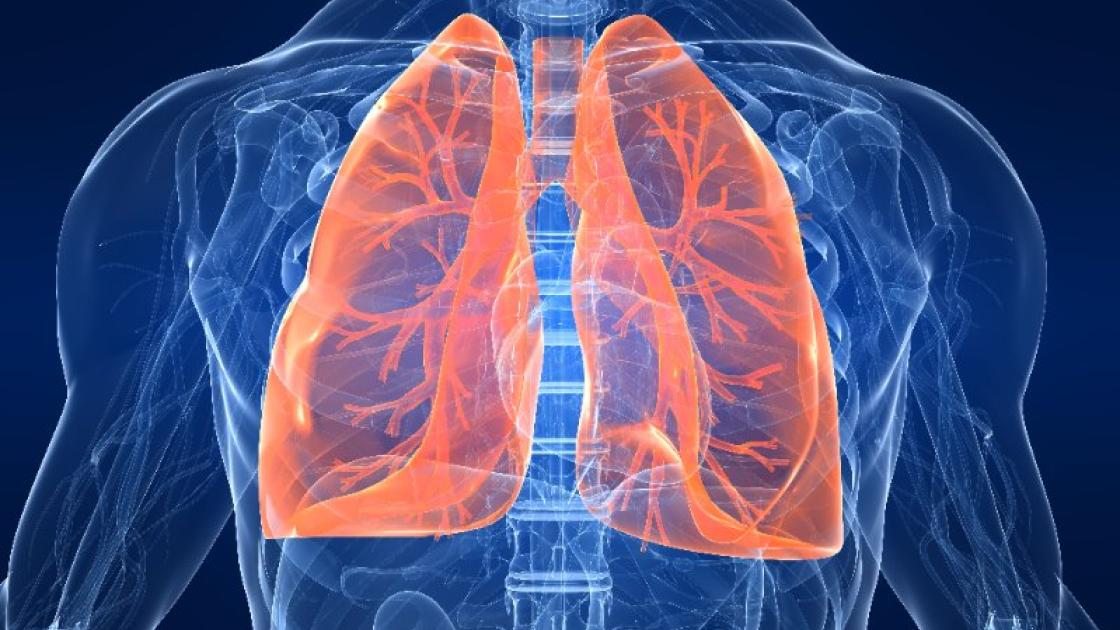
Breathe easier with healthy lungs

As the autumn air turns crisp during October, SIU Medicine is celebrating Healthy Lung Month. To help our entire community breathe easier, we're sharing five things you can do to protect your family's lung health and function.
1. Become or remain a nonsmoker.
You guessed it: Quitting smoking—or never starting—is one of the most beneficial things you can do for your lung health.
Smoking directly damages the lungs, including the small air sacs inside the lungs called alveoli. The alveoli is where oxygen from the air you breathe passes into your blood. Smoking is a leading cause of lung problems like chronic obstructive pulmonary disease (COPD), and lung cancer, and increases the risk of other serious health conditions including heart disease and stroke.
If you've been struggling to quit, ask your doctor about resources or treatments that can help.
2. Learn about the signs and symptoms of lung disease.
Lung diseases, including asthma, COPD, lung cancer and infections of the lung (pneumonia), are common health conditions affecting millions of people throughout the United States and elsewhere. Many of these conditions share similar signs and symptoms, including:
- A persistent cough
- Coughing up mucus or blood
- Wheezing
- Pain in your chest when breathing
- Chest tightness like you can’t take a deep breath
- Feeling short of breath with activity or reduced exercise tolerance
Talk to a doctor if you experience any of these symptoms.
3. Know the risk factors for lung health problems.
Smoking isn't the only risk factor for lung diseases. According to the American Lung Association, other common risk factors for lung and respiratory problems include:
- Genetics and family history
- A personal history of respiratory infections in childhood
- Environmental factors like air pollution, airborne allergens, irritants and climate (e.g., dry vs. humid weather)
- Occupational factors such as frequent exposure to dust, fumes and chemicals, which is common in industries such as construction and farming and agriculture
4. Take steps to improve your home's indoor air quality.
Indoor air pollution is associated with an increased risk of breathing and lung problems, including COPD and lung cancer. For people who already have lung disease, unhealthy indoor air can worsen their symptoms.
Ever wondered what causes indoor air pollution? Things like volatile organic compounds (VOCs, which are emitted by common household items like cleaners and candles), paint, dust, cockroaches and other pests, mold, pet dander, lead, wood burning and carbon monoxide can all diminish the quality of the air you breathe inside your home or workplace.
You can improve your indoor air quality by:
- Installing air filters in your home's HVAC system (and changing your air filters as recommended by the manufacturer)
- Cleaning, vacuuming and dusting your home regularly, especially if you have pets
- Opening windows and doors to promote natural ventilation, especially when cooking (avoid this on days when the pollen count is high in your geographic area)
- Switching to non-toxic cleaning supplies
5. Schedule an appointment with your doctor.
You breathe more than 20,000 times per day. Make every breath count by scheduling a routine check up.
Regular doctor visits give you the opportunity to discuss your health concerns and can help you receive earlier treatment if your doctor diagnoses you with a health condition (when it comes to lung conditions like cancer and asthma, getting diagnosed sooner can improve outcomes).
If necessary, your health care provider can also refer you to a specialist, such as a pulmonologist, to make sure that you receive the highest quality care for your needs.
Are you or someone you know living with lung disease?
Southern Illinois's leading lung doctors and respiratory specialists call SIU Medicine home. To connect with a pulmonologist near you, visit siumed.org/doctor and schedule your next appointment today.