
5 simple steps to improve your digestive health

Here's a great trivia fact:
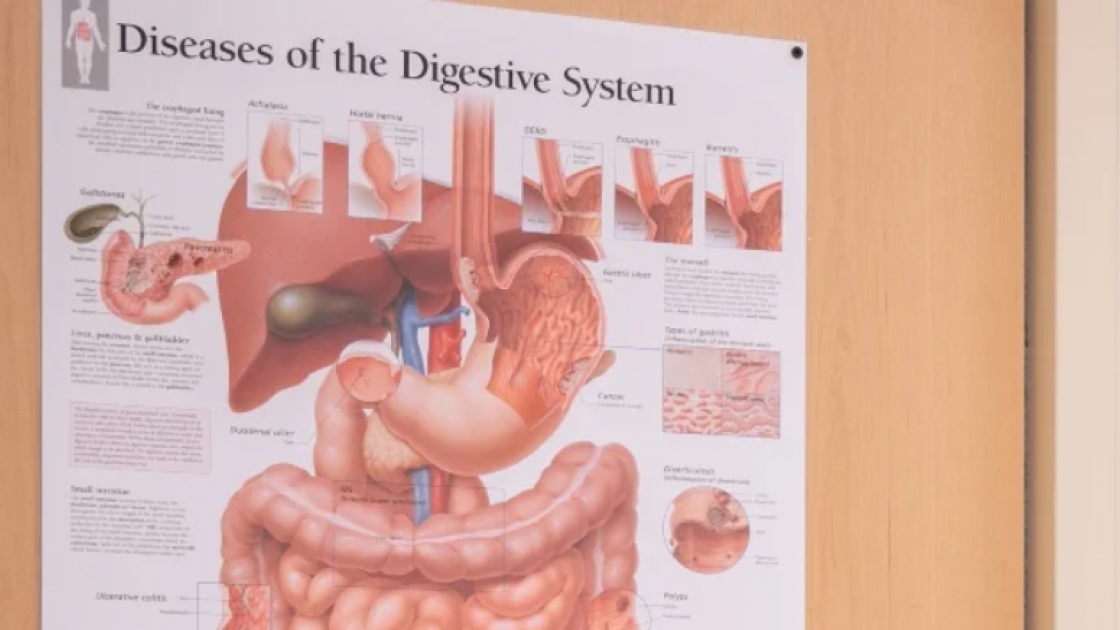
The total length of the average adult's digestive tract, from mouth to rear-end, is up to 30 feet long.
All that tissue—tongue, esophagus, stomach, small intestines and colon, creates an important passageway through which food travels and gets broken down, absorbed, metabolized and excreted. Without an optimally functioning digestive system, you could be at risk for things like malnutrition with muscle, vitamin and mineral loss. You could also increase the risk of obesity with all its complications, including heart and lung disease. Of course we can’t ignore the other uncomfortable symptoms like gas, bloating, abdominal pain and constipation or diarrhea. These are just few of the problems that could occur if you don’t take care of your gut.
Your digestive system (and the trillions of bacteria living inside it that help break down food) are connected to your brain via the nervous system. In this way, poor digestive health can even negatively impact your mood and various hormones in your brain that affect your hunger and weight balance.
Want better digestive health? Here are five evidence-based tips to give your gut a healthy boost.
1. Ditch the sugar and upgrade your diet.
Junk food is a main culprit in digestive problems. Refined sugar and other highly processed foods can cause too many "bad" bacteria in your gut to thrive and not enough "good" bacteria to survive.
Perhaps the simplest way to eat for your digestive health is to:
- Opt for whole, minimally processed foods as much as possible, including fruits and vegetables (plant fiber that is essential for gut health), whole grains, healthy fats and lean meats.
- Enjoy treats sparingly. This includes processed goods as well as alcoholic beverages.
- Avoid foods or ingredients to which you are allergic or intolerant.
In addition to improving the content of your diet, be sure to monitor the quantity of your diet. Overeating promotes weight gain and inflammation, both of which can damage your digestive system and many other organs like the heart and vascular system.
2. Get enough sleep.
Poor sleep can harm your digestive health, and an unhealthy digestive system can lead to poor sleep. To avoid this vicious cycle, commit to 7 to 9 hours of continuous sleep per night. Going to bed in a cool, dark room helps, as does powering off digital devices and dimming the lights an hour before bedtime.
One bonus tip for your digestive health: Avoid eating within 4-5 hours of bedtime, as this can lead to heartburn and other issues such as bloating (the feeling of heaviness) and shortness of breath that will keep you awake or may even wake you up from sleep.
3. Manage your stress levels.
People who are stressed or have mental health conditions like depression have been shown to have altered colonies of bacteria in their guts. We're still learning about why this correlation exists, but one explanation could be that chronic stress elevates inflammation in the body, which can damage tissues, organs and bacteria involved in digestion.
4. Drink more water.
Drink water to flush out toxins, keep your bowel movements regular and support healthy gut lining and gut bacteria. The exact amount depends on factors like your age and activity level. The National Academy of Sciences, Engineering and Medicine recommend about 3 liters of water intake per day for men and 2.5 liters of water intake per day for women.
5. Chat with a professional.
Sometimes, your best efforts won't get you the results you need. If you are concerned about signs and symptoms of poor digestive health, contact a health care provider. Whether you need a gastroenterologist, a dietitian, or another provider who can help your gut heal from the inside out, we're here to help. Contact SIU Medicine at 217-545-8000 to schedule a consultation with a member of our team today.