Gallbladder removal surgery: Am I a good candidate?

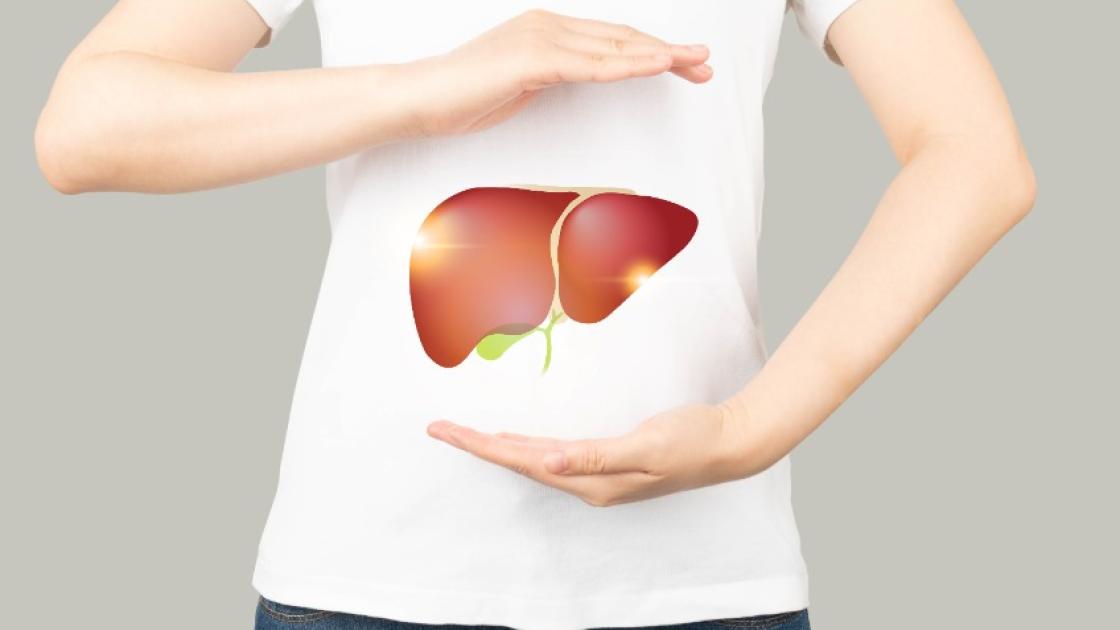
Gallstones are small, hardened lumps that can build up in the gallbladder, a pear-shaped organ near your liver that stores a digestive fluid called bile. If you have signs and symptoms of gallstones, such as sudden intense pain in the right upper area of the abdomen, nausea, or vomiting, your doctor may recommend surgery.
Gallbladder removal surgery (cholecystectomy) can help alleviate your symptoms and prevent complications associated with gallstones, such as gallbladder inflammation and blockage of the pancreatic or common bile ducts, which are important structures involved in digestion.
A cholecystectomy may not be right for everyone. In this article, we discuss what makes someone an appropriate candidate for surgery and some things you should discuss with your doctor before heading to the operating room.
Who is a cholecystectomy for?
Gallbladder removal surgery, also called a cholecystectomy, is the most common procedure done for individuals with gallstones in the gallbladder (the medical term for this condition is cholelithiasis). Gallstones are more common in certain individuals, including people over the age of 40, women, people with underlying health conditions like obesity and diabetes, people who have experienced rapid weight loss, and pregnant individuals.
Individuals with other conditions associated with gallstones may also benefit from a cholecystectomy including:
- Gallstones in the bile duct (choledocholithiasis)
- Inflammation of the gallbladder (cholecystitis)
- Inflammation of the pancreas (pancreatitis) as a result of gallstones
- Surgery is typically completed in a minimally invasive fashion with small incisions and a camera (laparoscopy).
Gallbladder surgery is generally the preferred treatment for people with symptomatic gallstones. This is mostly because gallstones tend to form again, an issue that is readily addressed by removing the gallbladder completely.
Don't worry — you can live a long and healthy life without a gallbladder. After the gallbladder is removed, bile simply flows directly from the liver into your small intestine.
Risks and contraindications to cholecystectomy
Like all medical procedures, a cholecystectomy does come with some amount of risk. This risk is quite small, especially with an experienced surgeon.
While unlikely, potential risks of a cholecystectomy include:
- Infection
- Bleeding
- Damage to the bile duct, intestines, and other internal abdominal structures
- Leakage of bile into the abdomen
- Complications related to anesthesia
Surgery should be avoided in people who have:
- Extreme obesity
- Bleeding disorders that affect the formation of blood clots
- Liver cirrhosis
If your doctor determines that you are not an appropriate candidate for a cholecystectomy, or if you are unable to undergo surgery for another reason, dietary modifications and other lifestyle measures can help.
Are you interested in learning more about gallbladder removal surgery?
Find a doctor today at SIU Medicine who can answer your questions about gallbladder surgery and help you find relief from your symptoms.